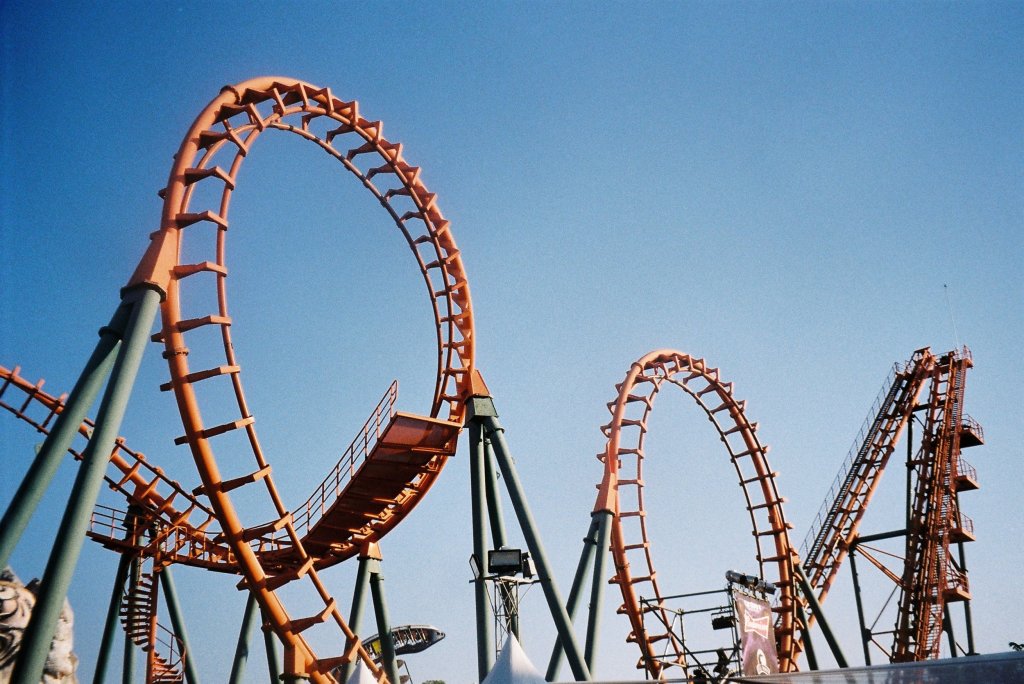
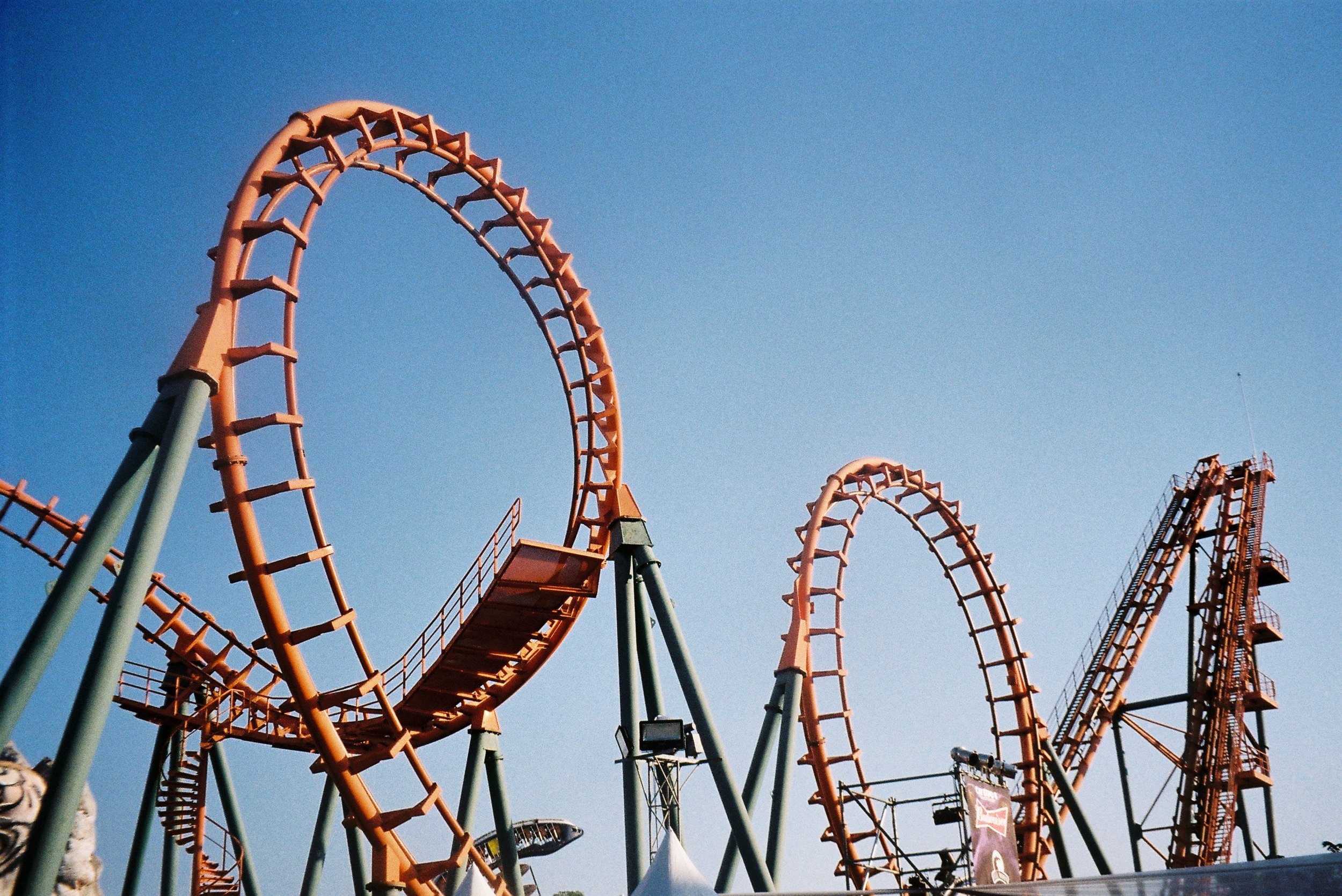
When talking with tweens, teens and their parents, I commonly use the analogy of a roller coast to try and navigate the complex emotions and behavioral cycles that can creep up on us during the holiday season. Practicing staying present and regulated while on the rollercoaster can be hard. Remembering, regulation does not mean you are calm or don’t express feelings. Regulation refers to being present in what you are feeling in each moment, without judgment so you are able to bring awareness to what you need and take action to get your needs met.
You can have multiple needs to ride the roller coaster aka see family, go shopping, decorate, buy presents, past down traditions, make sure everyone is happy, ect. When needs, either as a teen or a parent, are met with conflicting needs of others, it can feel like we are all scrambling to make sure our seat belts are fastened before the roller coaster takes off. These conflicting needs of connection, alone time, quiet, relaxation, excitement are not always expressed through regulated communication but through power struggles, tears, yelling, blaming, worry and possibly isolation. Then you are asking yourself, “how do I get stuck upside down on this ride?”
Tips for staying on the roller coaster, aka regulated during the holidays.
-
Check your expectations and judgments about how the roller coaster (holidays) are supposed to feel or be. Checking expectations allows you to be more present and relaxed to whatever comes your way.
-
Keep your seatbelt fastened. Safety first. Setting up boundaries for yourself when the demands get to be to much.
-
Stay on the ride until it has come to a complete stop. Allow yourself to experience all the twists and turns of the holidays and know that the ride will stop.
-
If you find yourself stuck upside down aka dysregulated and stuck in a place you didn’t see coming. Breath, take a look around and ask for you help.
Remember at the end of the ride, you and your kids will be talking about your reaction or face when you went around the bend or dropped 300 feet, rather than the ride itself. It is the connection and reaction that counts, not the actual ride.


